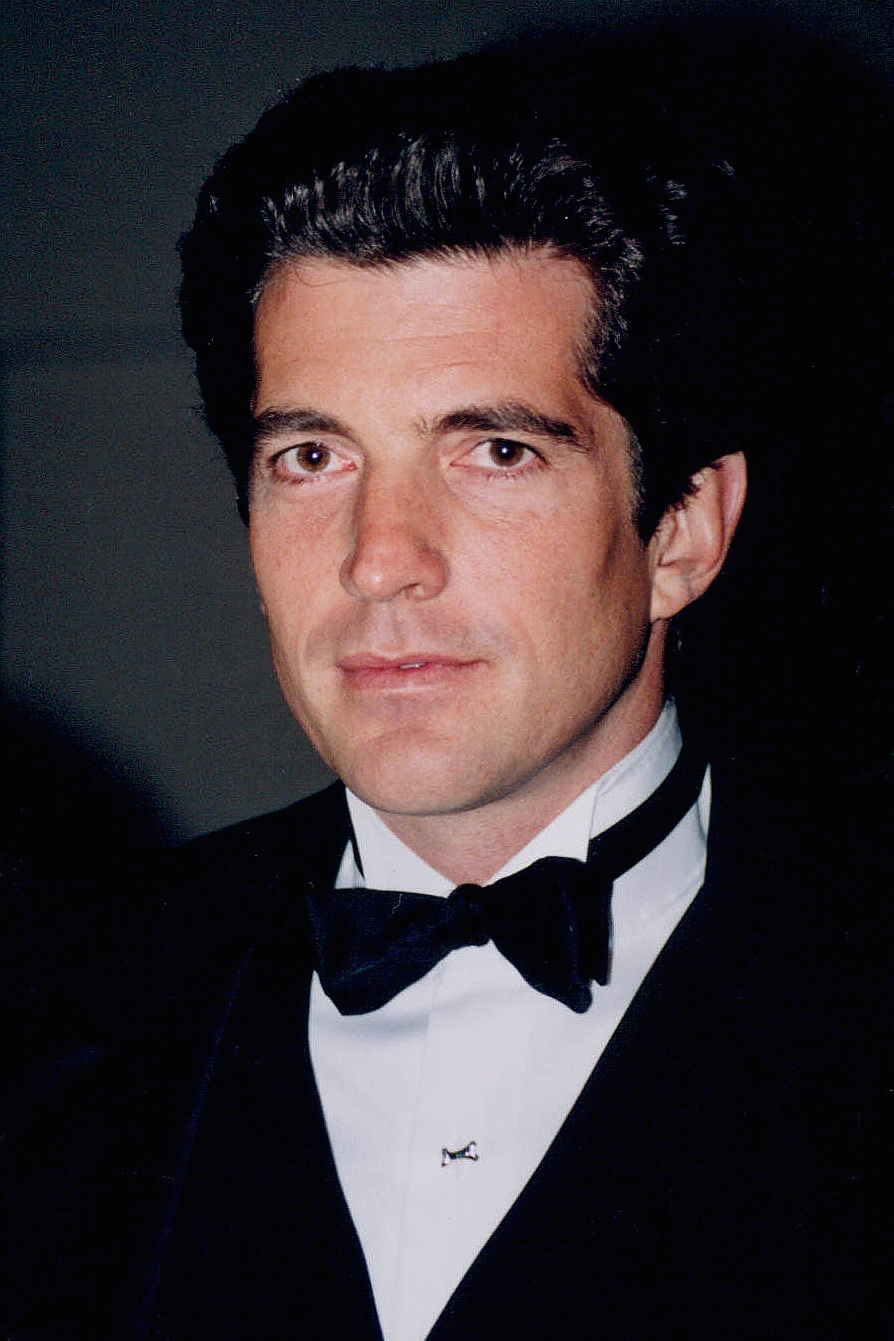
John Fitzgerald Kennedy Jr., often referred to as John F. Kennedy Jr. or simply John-John, was an American lawyer, journalist, and magazine publisher who became a prominent public figure due to his lineage as the son of President John F. Kennedy and First Lady Jacqueline Kennedy Onassis. Born into one of America's most famous political families, his life was marked by intense public scrutiny from birth, blending personal ambition with the weight of a historic legacy. His untimely death in a plane crash in 1999 cut short a career that had evolved from legal practice to media entrepreneurship, leaving a lasting impression on American culture and politics.
Quick Facts
| Full Name | John Fitzgerald Kennedy Jr. |
|---|---|
| Known As | John F. Kennedy Jr., John-John |
| Birth Date | November 25, 1960 |
| Age | 38 (at time of death in 1999) |
| Birthplace | Washington, D.C. |
| Nationality | American |
| Profession | lawyer, journalist, magazine publisher |
| Parents | President John F. Kennedy and Jacqueline Kennedy Onassis |
| Partner/Fiancee | Carolyn Bessette |
| Net Worth | $20 million to $100 million (estimated at time of death) |
From his childhood in the White House to his adulthood as a New York-based professional, Kennedy Jr. navigated the complexities of fame with a blend of charisma and privacy. He was known for his good looks, athleticism, and efforts to carve out an identity beyond his family name, pursuing roles in law and publishing that reflected his interests in social justice and public discourse. His story is one of privilege and tragedy, intertwined with the broader narrative of the Kennedy family's influence and the public's enduring fascination with their lives.
John F. Kennedy Jr. Early Life and Childhood
John F. Kennedy Jr. was born on November 25, 1960, in Washington, D.C., making him 38 years old at the time of his death in 1999. He was the second child and only son of President John F. Kennedy and Jacqueline Kennedy Onassis, and his birth occurred just weeks after his father's election to the presidency, placing him in the national spotlight from infancy. His early childhood was spent in the White House, where he became a symbol of youthful innocence during his father's administration, famously captured in photographs playing under the Resolute Desk. The assassination of President Kennedy in 1963, when John Jr. was nearly three years old, profoundly shaped his upbringing, as he was raised by his mother in New York City and on Martha's Vineyard, away from the intense political arena of Washington.
Growing up, Kennedy Jr. experienced a childhood that balanced normalcy with extraordinary circumstances. He attended private schools in New York, where his mother sought to provide stability and privacy despite constant media attention. His formative years were influenced by his mother's remarriage to Greek shipping magnate Aristotle Onassis in 1968, which added an international dimension to his life, though he maintained close ties to the Kennedy family through visits to Hyannis Port, Massachusetts. The public often saw him through milestones like his salute at his father's funeral, but privately, he engaged in typical activities such as sports and schooling, developing a reputation for being athletic and outgoing.
John F. Kennedy Jr. Family Life and Personal Background
John F. Kennedy Jr. was the son of President John F. Kennedy and Jacqueline Kennedy Onassis, and he had an older sister, Caroline Kennedy, who later became a diplomat and author. His family was part of the prominent Kennedy political dynasty, which included his uncles Robert F. Kennedy and Edward M. Kennedy, both U.S. Senators, and his grandfather Joseph P. Kennedy Sr., a businessman and diplomat. The Kennedy family's influence in American politics and culture provided a backdrop of both opportunity and expectation for John Jr., who was often seen as a potential future political figure himself, though he largely pursued non-political careers.
After his father's assassination, his mother Jacqueline played a central role in his upbringing, emphasizing education, privacy, and a sense of normalcy. She married Aristotle Onassis in 1968, giving John Jr. a stepfather figure, though Onassis died in 1975, and Jacqueline later returned to a career in publishing. John Jr. maintained close relationships with his Kennedy relatives, particularly his sister Caroline and his cousins, participating in family gatherings and traditions. His personal background was characterized by wealth and privilege, but also by the tragedies that affected the Kennedy family, including the assassinations of his father and uncle Robert, which contributed to a public perception of him as a figure of resilience.
John F. Kennedy Jr. Education
John F. Kennedy Jr. attended the Collegiate School in New York City for his early education, followed by Phillips Academy in Andover, Massachusetts, where he graduated in 1979. He then enrolled at Brown University, earning a Bachelor of Arts degree in history in 1983. During his time at Brown, he was involved in campus activities and developed an interest in social issues, though he avoided overt political engagement, focusing instead on his studies and personal growth. After college, he spent a year traveling and working, including a stint at the Indian Affairs Bureau, before pursuing legal education.
In 1986, Kennedy Jr. entered New York University School of Law, where he earned his Juris Doctor degree in 1989. His law school years were marked by public attention, but he managed to complete his studies and pass the New York bar exam on his second attempt in 1990, after initially failing. This period reflected his determination to establish a professional identity independent of his family name, as he sought a career in public service law, influenced by his family's legacy of advocacy for civil rights and social justice.
John F. Kennedy Jr. Career Beginnings
After passing the bar exam, John F. Kennedy Jr. began his legal career as an assistant district attorney in the New York County District Attorney's Office under Robert M. Morgenthau, serving from 1990 to 1993. In this role, he prosecuted misdemeanor cases, gaining practical experience in the criminal justice system and earning a reputation for diligence and fairness. His work as a prosecutor allowed him to engage directly with social issues, such as domestic violence and drug offenses, aligning with his interest in public service. During this time, he also contributed to legal journals and participated in community outreach, though he remained in the public eye due to his family background.
Concurrently, Kennedy Jr. explored media opportunities, making occasional television appearances and writing articles for publications like The New York Times. His early career demonstrated a blend of legal rigor and media savvy, as he leveraged his platform to discuss topics like criminal justice reform. By the mid-1990s, he began to shift his focus from law to publishing, recognizing the potential to influence public discourse through journalism. This transition marked the start of his entrepreneurial ventures, setting the stage for his rise in the media industry.
John F. Kennedy Jr. Rise to Fame
John F. Kennedy Jr.'s rise to fame was multifaceted, rooted in his family legacy but amplified by his own endeavors. While he had been a public figure since childhood, his breakthrough into broader recognition came with the launch of George magazine in 1995. As founder and editor-in-chief, he created a publication that blended politics and celebrity culture, aiming to make political journalism accessible and engaging to a younger audience. George quickly gained attention for its innovative approach, featuring covers with figures like Cindy Crawford and Madonna, and it established Kennedy Jr. as a serious media entrepreneur.
The success of George, combined with his high-profile marriage to Carolyn Bessette in 1996, cemented his status as a cultural icon. His charisma and good looks made him a favorite subject of tabloids, but he used his platform to advocate for civic engagement and political awareness. By the late 1990s, he was widely regarded as a potential political candidate, though he consistently denied such ambitions, focusing instead on his magazine and philanthropic efforts. His rise reflected a unique ability to balance celebrity with substance, earning him respect in both media and public service circles.
John F. Kennedy Jr. Professional Career
Early Career
In the early 1990s, Kennedy Jr.'s professional career was centered on his work as an assistant district attorney in New York City. He handled a variety of cases, from petty theft to assault, gaining hands-on experience in the legal system. During this period, he also engaged in pro bono work and participated in panels on criminal justice, demonstrating a commitment to social issues. His legal career, though brief, provided a foundation in public service that informed his later ventures, as he often cited the importance of fairness and accountability in his public statements.
Major Career Milestones
A major milestone in Kennedy Jr.'s career was the founding of George magazine in 1995. He conceived the idea as a way to revitalize political journalism, partnering with Hachette Filipacchi Media to launch the publication. As editor-in-chief, he oversaw content development, editorial direction, and business strategy, attracting high-profile contributors and advertisers. George achieved initial success, with a circulation peaking at around 500,000, and it won awards for its design and reporting. This venture marked his transition from law to media, establishing him as a influential figure in publishing.
Another significant milestone was his role as a public speaker and advocate. Throughout the 1990s, he gave speeches at universities and events, discussing topics like democracy, youth engagement, and the Kennedy legacy. He also made television appearances, including on programs like "Larry King Live," where he discussed current affairs and his magazine. These efforts expanded his influence beyond print media, positioning him as a thought leader in political discourse.
Notable Performances or Projects
Notable projects under Kennedy Jr.'s leadership at George included special issues on elections, profiles of political figures, and collaborations with celebrities to promote civic awareness. For example, the magazine's inaugural issue featured a cover with supermodel Cindy Crawford dressed as George Washington, symbolizing its blend of politics and pop culture. He also initiated investigative pieces on topics like campaign finance and environmental policy, aiming to provide in-depth analysis while maintaining reader engagement.
In addition to George, Kennedy Jr. was involved in documentary production, serving as an executive producer for films that explored social issues. He contributed to public service campaigns, such as those promoting voter registration and AIDS awareness, leveraging his visibility for charitable causes. His work style was hands-on, with colleagues noting his attention to detail and collaborative approach, though the magazine faced financial challenges in its later years.
Later Career Developments
By the late 1990s, Kennedy Jr. was exploring new directions for his career, including potential expansions of George into digital media and television. He discussed partnerships and funding options to sustain the magazine, which struggled with advertising revenue amid industry shifts. Simultaneously, he considered roles in non-profit organizations, reflecting his ongoing interest in public service. His later career was characterized by adaptation and innovation, as he sought to balance commercial success with social impact.
Tragically, his career was cut short by his death in 1999, leaving many projects unrealized. At the time, he was piloting a plane to a family wedding, and the crash ended not only his life but also the potential evolution of his professional endeavors. Posthumously, George magazine continued for a brief period before ceasing publication, and his legacy in media and law has been remembered through tributes and retrospectives.
John F. Kennedy Jr. Work Style, Influence, and Public Image
John F. Kennedy Jr.'s work style was marked by a blend of idealism and pragmatism. As a lawyer, he was described as thorough and empathetic, focusing on the human aspects of cases. In publishing, he was innovative and collaborative, encouraging diverse viewpoints at George magazine while maintaining editorial control. His influence extended beyond his professional roles, as he used his platform to promote civic engagement and social justice, inspiring younger generations to participate in politics. He was often seen as a bridge between traditional political elites and popular culture, making complex issues more accessible.
His public image was shaped by his family legacy, good looks, and charismatic demeanor, leading to frequent coverage in tabloids and mainstream media. Despite this, he cultivated a reputation for seriousness in his work, avoiding sensationalism and focusing on substantive contributions. He was perceived as a private person who valued authenticity, often pushing back against media intrusions while acknowledging his public role. Over time, he became a symbol of the Kennedy family's enduring appeal, representing both its triumphs and tragedies.
John F. Kennedy Jr. Awards and Achievements
- Founding and serving as editor-in-chief of George magazine, which won awards for design and journalism.
- Successful prosecution of cases as an assistant district attorney in New York County, contributing to public safety and justice.
- Recognition as a influential public speaker, addressing topics like democracy and youth engagement at various events.
- Contributions to public service campaigns, such as voter registration drives and AIDS awareness initiatives.
- Posthumous honors, including tributes from media organizations and inclusion in lists of notable American figures.
John F. Kennedy Jr. Net Worth
John F. Kennedy Jr.'s net worth at the time of his death in 1999 is not publicly confirmed with exact figures, but estimates from various sources suggested it was in the range of $20 million to $100 million. This wealth derived from inheritance, including trusts from his father's estate and his mother's assets, as well as earnings from his career in law and publishing. His ownership stake in George magazine and other investments contributed to his financial standing, though the magazine's financial struggles may have impacted its value. It is important to note that net worth estimates for public figures can vary widely, and without official disclosures, these figures should be viewed as approximations based on available information.
John F. Kennedy Jr. Personal Life
John F. Kennedy Jr. married Carolyn Bessette, a public relations executive, in a private ceremony on Cumberland Island, Georgia, in 1996. The couple had no children and lived in New York City, where they were often photographed by paparazzi, becoming a subject of intense media fascination. Their marriage was reported to have faced challenges due to public scrutiny, but they maintained a relatively private life, focusing on their careers and close friendships. Kennedy Jr. was known for his hobbies, including flying, sailing, and hiking, which reflected his adventurous spirit and love for the outdoors.
He held a pilot's license and enjoyed flying small aircraft, a passion that ultimately led to his tragic death. In his personal time, he engaged in philanthropic activities and spent time with family, particularly his sister Caroline and her children. His personal life was characterized by a desire for normalcy amidst fame, and he often emphasized the importance of privacy and authenticity in interviews.
John F. Kennedy Jr. Philanthropy and Community Work
John F. Kennedy Jr. was involved in various philanthropic efforts, though he often kept these activities low-key. He supported organizations related to education, health, and social justice, such as the Robin Hood Foundation, which fights poverty in New York City, and the John F. Kennedy Library Foundation, which promotes his father's legacy. He participated in fundraising events and used his magazine to highlight charitable causes, encouraging readers to engage in community service. Additionally, he advocated for environmental conservation and was involved in initiatives on Martha's Vineyard.
His community work extended to legal aid projects during his time as a prosecutor, where he volunteered for clinics assisting low-income individuals. While not as publicly documented as some celebrities' philanthropy, his efforts reflected a commitment to leveraging his resources and influence for social good, consistent with the Kennedy family's tradition of public service.
John F. Kennedy Jr. Legacy and Influence
John F. Kennedy Jr.'s legacy is one of potential unfulfilled, marked by his contributions to media, law, and public discourse. He is remembered as a charismatic figure who sought to make politics more engaging through George magazine, influencing a generation of journalists and readers. His death in 1999, along with his wife Carolyn and sister-in-law Lauren, was a national tragedy that underscored the risks of his adventurous lifestyle and the enduring public interest in the Kennedy family.
His influence persists in discussions about celebrity, politics, and legacy, as he exemplified the challenges of living under a famous name while pursuing independent goals. Tributes and documentaries continue to explore his life, highlighting his efforts to balance personal ambition with social responsibility. In the broader context, he remains a symbol of the Kennedy dynasty's impact on American culture, representing both its allure and its sorrows, and inspiring ongoing reflection on fame, service, and mortality.
Frequently Asked Questions
How old was John F. Kennedy Jr. when he died?
John F. Kennedy Jr. was 38 years old at the time of his death in 1999.
What was John F. Kennedy Jr.'s profession?
He was a lawyer, journalist, and magazine publisher, best known as the founder and editor-in-chief of George magazine.
Who were John F. Kennedy Jr.'s parents?
He was the son of President John F. Kennedy and First Lady Jacqueline Kennedy Onassis.
What was John F. Kennedy Jr.'s net worth?
His net worth at the time of his death was estimated to be between $20 million and $100 million, derived from inheritance and his career earnings.
Did John F. Kennedy Jr. have any children?
No, he had no children with his wife Carolyn Bessette.
What was John F. Kennedy Jr.'s role at George magazine?
He was the founder and editor-in-chief of George magazine, which blended politics and celebrity culture to engage a younger audience.
Where was John F. Kennedy Jr. born?
He was born in Washington, D.C. on November 25, 1960.
What was John F. Kennedy Jr.'s educational background?
He attended Phillips Academy, earned a BA in history from Brown University, and received a JD from New York University School of Law.
How did John F. Kennedy Jr. die?
He died in a plane crash in 1999 while piloting a small aircraft to a family wedding.