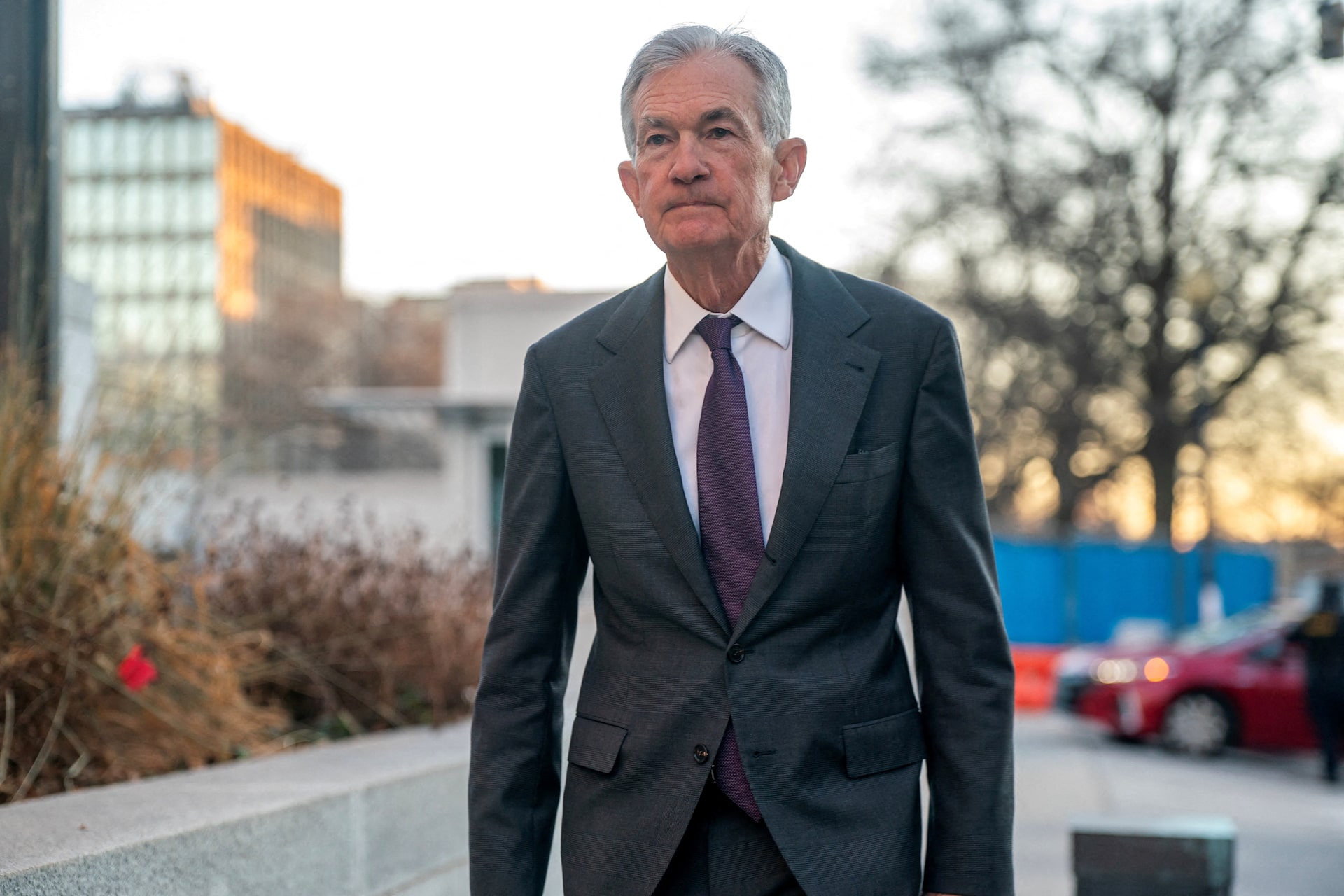
Jerome Powell is an American lawyer and economist who serves as the 16th Chair of the Board of Governors of the Federal Reserve System, the central bank of the United States. Appointed to this position in 2018, Powell has become one of the most influential figures in global economics, responsible for steering monetary policy through periods of economic expansion, crisis, and recovery. His tenure has been marked by significant challenges including the COVID-19 pandemic, inflationary pressures, and evolving financial regulations, making his leadership central to both domestic and international economic stability.
Quick Facts
| Full Name | Jerome Powell |
|---|---|
| Known As | Jerome Powell |
| Birth Date | February 4, 1953 |
| Age | 71 |
| Birthplace | Washington, D.C. |
| Nationality | American |
| Profession | lawyer and economist, Chair of the Board of Governors of the Federal Reserve System |
| Parents | Jerome Powell Sr. (father), mother details not publicly documented |
| Partner/Fiancee | Elissa Leonard |
| Children | three children |
| Net Worth | not publicly confirmed, estimated in the range of millions of dollars |
As Federal Reserve Chair, Powell oversees the implementation of policies that affect interest rates, employment, and inflation across the United States. His approach has generally been characterized as pragmatic and data-driven, with a focus on maintaining maximum employment and stable prices as mandated by the Federal Reserve's dual mandate. Powell's background combines legal expertise with economic policy experience, having served in various government and private sector roles before his appointment to the Fed. His decisions and public communications are closely watched by markets, policymakers, and economists worldwide, reflecting the critical role of the Federal Reserve in the global financial system.
Jerome Powell Early Life and Childhood
Jerome Powell was born on February 4, 1953, in Washington, D.C., making him an American citizen by birth. He grew up in the Washington, D.C. area, which exposed him to the workings of government and policy from an early age. His childhood environment was one where public service and professional achievement were valued, though specific details about his upbringing remain largely private. Powell has not publicly discussed extensive personal anecdotes from his early years, focusing instead on his professional trajectory in later public appearances and interviews.
Jerome Powell Family Life and Personal Background
Jerome Powell comes from a family with a background in law and public service. His father, Jerome Powell Sr., was a lawyer who practiced in Washington, D.C., and his mother's details are less publicly documented. Powell has mentioned that his family emphasized education and hard work, but he has kept most family matters out of the public eye. He is married to Elissa Leonard, and they have three children together. Powell maintains a private personal life, with limited information available about his family's influence beyond general values of integrity and public duty.
Jerome Powell Education
Jerome Powell pursued his education at prestigious institutions, earning a Bachelor of Arts in Politics from Princeton University in 1975. He then attended Georgetown University Law Center, where he received his Juris Doctor degree in 1979. During his time at Georgetown, Powell served as editor of the Georgetown Law Journal, indicating his academic engagement and interest in legal scholarship. His educational background provided a strong foundation in both political science and law, which he later applied to economic policy roles. Powell has not detailed specific academic interests or early ambitions beyond a general orientation toward public service and law.
Jerome Powell Career Beginnings
After completing law school, Jerome Powell began his career as a law clerk for Judge John M. Walker Jr. of the United States Court of Appeals for the Second Circuit from 1979 to 1980. This role offered him early exposure to federal judiciary processes and legal analysis. Following his clerkship, Powell joined the New York law firm Davis Polk & Wardwell, where he worked as an associate and later a partner, specializing in corporate and financial law. His legal practice involved advising clients on mergers, acquisitions, and securities regulations, building expertise in financial markets that would later inform his economic policy work.
In the 1990s, Powell transitioned to public service, serving as Assistant Secretary and later Under Secretary of the Treasury for Domestic Finance under President George H.W. Bush from 1990 to 1993. In this capacity, he was involved in Treasury debt management, financial institutions policy, and the response to the savings and loan crisis. This period marked his entry into economic policy, where he gained hands-on experience in government finance and crisis management, setting the stage for his future roles at the Federal Reserve.
Jerome Powell Rise to Fame
Jerome Powell's rise to prominence began with his appointment to the Board of Governors of the Federal Reserve System in 2012. Nominated by President Barack Obama and confirmed by the Senate, Powell joined the Fed during a critical period following the 2008 financial crisis, where he contributed to monetary policy decisions and regulatory reforms. His reputation as a consensus-builder and his pragmatic approach to economics earned him respect among colleagues and policymakers. Powell's visibility increased as he served on the Fed's board, participating in key decisions on interest rates and financial stability.
Powell's breakthrough to wider public recognition came in 2017 when President Donald Trump nominated him to succeed Janet Yellen as Chair of the Federal Reserve. Confirmed by the Senate in early 2018, Powell assumed the role of Fed Chair, becoming the central figure in U.S. monetary policy. His appointment was notable as he was not a trained economist but a lawyer with extensive policy experience, breaking from the tradition of economists leading the Fed. This moment catapulted him into the global spotlight, with his actions and statements now directly influencing financial markets and economic expectations worldwide.
Jerome Powell Professional Career
Early Career at the Federal Reserve
Upon joining the Federal Reserve Board in 2012, Jerome Powell quickly immersed himself in the institution's operations. He served on several key committees, including the Committee on Bank Supervision and the Payments System Policy Advisory Committee. Powell's early contributions focused on regulatory issues, particularly the implementation of the Dodd-Frank Act reforms designed to strengthen the financial system post-crisis. He advocated for tailored regulations that considered the size and risk profiles of different banks, emphasizing a balanced approach to oversight. During this period, Powell also participated in monetary policy discussions, supporting the Fed's gradual normalization of interest rates after years of near-zero levels following the 2008 crisis.
Major Career Milestones as Fed Chair
Jerome Powell's tenure as Federal Reserve Chair, beginning in February 2018, has been defined by several major milestones. One of his first significant actions was overseeing the continuation of interest rate hikes initiated under his predecessor, with the Fed raising rates four times in 2018 to prevent overheating in a growing economy. However, in 2019, Powell pivoted in response to global economic slowdowns and trade tensions, cutting rates three times—a move that demonstrated his flexibility in adjusting policy based on evolving data. This period highlighted his commitment to the Fed's dual mandate of maximum employment and price stability, even amid external pressures.
The COVID-19 pandemic in 2020 marked a critical juncture in Powell's career. Under his leadership, the Federal Reserve implemented unprecedented emergency measures to support the U.S. economy, including slashing interest rates to near zero, launching large-scale asset purchases (quantitative easing), and establishing lending facilities for businesses and municipalities. Powell worked closely with the Treasury Department to deploy fiscal and monetary tools, emphasizing the need for aggressive action to avert a deeper recession. His public communications during this time, including frequent press conferences and testimonies, aimed to provide clarity and confidence, reinforcing the Fed's role as a stabilizer in crisis.
Notable Policy Decisions and Initiatives
Throughout his chairmanship, Jerome Powell has been associated with several notable policy decisions. In 2020, the Fed under Powell adopted a new monetary policy framework, shifting to an average inflation targeting approach that allows inflation to run moderately above 2% for some time to support employment. This change reflected a lessons-learned perspective from the post-2008 era, where inflation persistently below target constrained policy options. Powell has also focused on digital currency exploration, with the Fed researching a potential central bank digital currency (CBDC) to modernize the payments system. Additionally, he has emphasized climate-related financial risks, integrating them into the Fed's supervisory framework, though carefully noting the limits of the Fed's mandate compared to other agencies.
Later Career Developments and Challenges
In recent years, Jerome Powell has navigated complex economic challenges, particularly high inflation emerging in 2021-2022. In response, the Fed under his leadership embarked on an aggressive tightening cycle, raising interest rates multiple times to curb price pressures—the fastest rate hikes in decades. Powell has emphasized data dependency, indicating that policy will adjust based on inflation and employment metrics, even at the risk of slowing economic growth. His reappointment as Fed Chair by President Joe Biden in 2022, confirmed by the Senate, underscored bipartisan support for his stewardship during turbulent times. Looking ahead, Powell continues to focus on balancing inflation control with sustainable employment, while managing risks from global uncertainties and technological changes in finance.
Jerome Powell Work Style, Influence, and Public Image
Jerome Powell's work style is characterized by pragmatism, collaboration, and a strong emphasis on data-driven decision-making. As Fed Chair, he is known for building consensus among the diverse members of the Federal Open Market Committee (FOMC), often seeking unified positions on policy moves to present a clear message to markets. Powell's influence extends beyond the Fed through his public communications; he holds regular press conferences after FOMC meetings and testifies frequently before Congress, using these platforms to explain policy rationale and manage economic expectations. His plain-speaking approach, avoiding overly technical jargon, has made Fed policies more accessible to the public and investors.
Powell's public image is that of a steady, reliable leader during crises, earning praise for his handling of the pandemic response but also facing criticism during high inflation periods for initially underestimating price pressures. He is viewed as less ideological than some predecessors, focusing on empirical evidence over theoretical models, which has both supporters and detractors in economic circles. Internationally, Powell's influence is significant as U.S. monetary policy decisions under his watch affect global capital flows and exchange rates, making him a key figure in forums like the G20 and International Monetary Fund meetings. His legacy is still unfolding, with his ability to navigate post-pandemic economic normalization being closely watched.
Jerome Powell Awards and Achievements
- Confirmation as the 16th Chair of the Federal Reserve Board of Governors in 2018, leading U.S. monetary policy.
- Leadership during the COVID-19 pandemic, implementing emergency measures that included cutting interest rates to near-zero and establishing lending facilities to support the economy.
- Oversight of the Federal Reserve's adoption of a new monetary policy framework in 2020, shifting to average inflation targeting to enhance flexibility.
- Reappointment as Federal Reserve Chair in 2022, demonstrating continued confidence from multiple administrations.
- Service on the Federal Reserve Board since 2012, contributing to regulatory reforms and monetary policy decisions post-financial crisis.
- Previous role as Under Secretary of the Treasury for Domestic Finance, involved in debt management and financial policy during the early 1990s.
Jerome Powell Net Worth
Jerome Powell's net worth is not publicly confirmed in exact figures, as Federal Reserve officials are required to disclose financial holdings but not total net worth. Based on public financial disclosures, Powell has reported assets primarily in savings accounts, retirement funds, and diversified investment funds, with values typically in the range of millions of dollars, accumulated from his career in law, government, and private sector roles. His net worth is considered substantial but not among the highest in government circles, reflecting a career focused on public service rather than wealth accumulation. Powell's income as Fed Chair is set by government scales, and he has avoided conflicts of interest by divesting from certain holdings upon appointment. Without official net worth statements, estimates vary, but it is clear that his financial standing is comfortable without being extravagant.
Jerome Powell Personal Life
Jerome Powell maintains a notably private personal life, with limited public details beyond basic facts. He is married to Elissa Leonard, and the couple has three children. Powell and his family reside in Washington, D.C., where he has spent much of his career. In his spare time, Powell has mentioned interests in hiking and outdoor activities, but he rarely discusses hobbies or personal anecdotes in media appearances, preferring to keep the focus on his professional responsibilities. His lifestyle appears modest relative to his position, with an emphasis on family and work balance, though he does not share extensive personal insights publicly.
Jerome Powell Philanthropy and Community Work
There is no widely publicized record of Jerome Powell engaging in significant philanthropy or community work outside his official duties. As Federal Reserve Chair, his primary contributions are through economic policy and public service, rather than charitable initiatives. Powell may participate in private or low-profile charitable activities, but these have not been documented in mainstream sources. His community impact is largely indirect, through the effects of Fed policies on employment, inflation, and financial stability, which benefit broader societal welfare. Without clear evidence of personal philanthropy, this aspect of his life remains undeveloped in public narratives.
Jerome Powell Legacy and Influence
Jerome Powell's legacy is still being shaped as he serves as Federal Reserve Chair, but his influence on U.S. and global economics is already substantial. He is likely to be remembered for steering monetary policy through the COVID-19 pandemic with aggressive support measures that helped prevent a deeper recession, demonstrating the Fed's crisis management capabilities. His shift to average inflation targeting represents a significant evolution in monetary policy framework, potentially influencing central banks worldwide. Powell's pragmatic, data-centric approach has reinforced the Fed's role as an independent institution focused on stable prices and maximum employment, though his handling of post-pandemic inflation will be a key part of his historical assessment.
Long-term, Powell's impact may extend to financial regulation and digital currency development, as he has pushed for modernizing oversight and exploring technological innovations. His ability to maintain bipartisan support through multiple administrations underscores a reputation for effectiveness and neutrality in a polarized political environment. As his tenure continues, Powell's legacy will hinge on how well the U.S. economy navigates current challenges, but his mark on central banking as a lawyer-led, adaptable institution is already evident, influencing future Fed chairs and economic policymakers.
Frequently Asked Questions
How old is Jerome Powell?
Jerome Powell was born on February 4, 1953, making him 71 years old.
What is Jerome Powell's profession?
Jerome Powell is an American lawyer and economist who serves as the 16th Chair of the Board of Governors of the Federal Reserve System.
Where was Jerome Powell born?
Jerome Powell was born in Washington, D.C., and is an American citizen by birth.
Who is Jerome Powell's wife?
Jerome Powell is married to Elissa Leonard, and they have three children together.
What is Jerome Powell's net worth?
Jerome Powell's net worth is not publicly confirmed, but based on financial disclosures, it is estimated to be in the range of millions of dollars from his career in law, government, and private sector roles.
What is Jerome Powell's educational background?
Jerome Powell earned a Bachelor of Arts in Politics from Princeton University in 1975 and a Juris Doctor degree from Georgetown University Law Center in 1979.
When did Jerome Powell become Federal Reserve Chair?
Jerome Powell was appointed as the 16th Chair of the Federal Reserve in 2018, confirmed by the Senate after being nominated by President Donald Trump.
What are Jerome Powell's major career achievements?
Key achievements include leading the Federal Reserve during the COVID-19 pandemic, implementing emergency economic measures, overseeing the adoption of average inflation targeting in 2020, and being reappointed as Chair in 2022.
Who are Jerome Powell's parents?
Jerome Powell's father is Jerome Powell Sr., a lawyer who practiced in Washington, D.C. Details about his mother are less publicly documented.