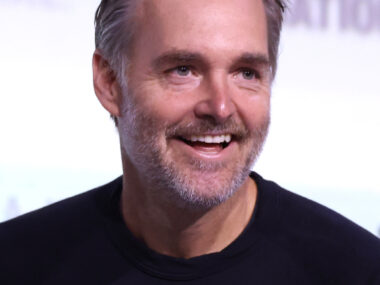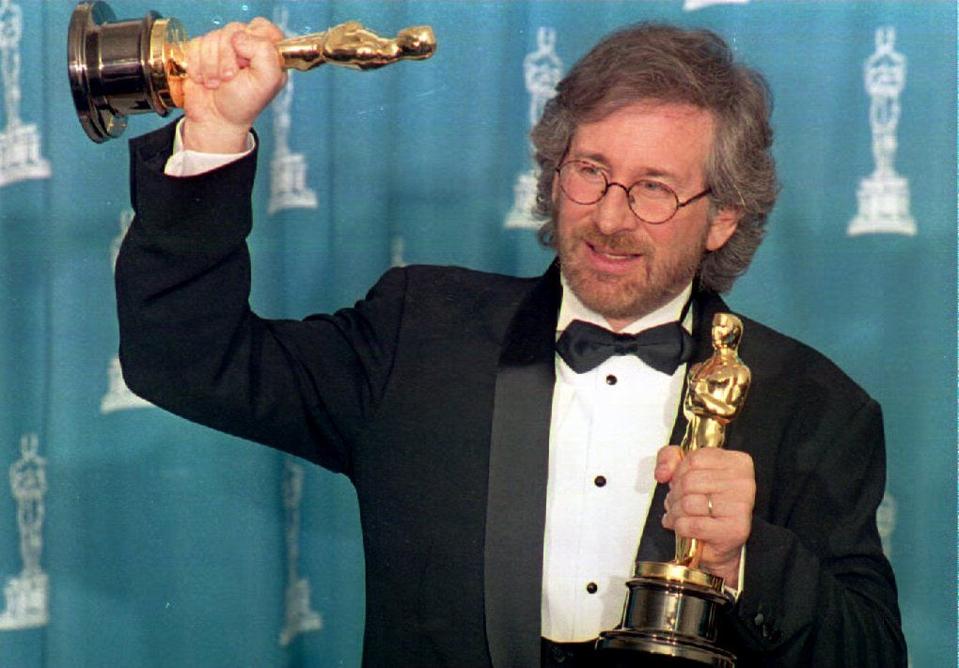
Steven Spielberg is one of the most influential and commercially successful filmmakers in cinematic history. His career spans over five decades, during which he has directed, produced, and written some of the most iconic and beloved films ever made. From early television work to blockbuster spectacles and serious historical dramas, Spielberg's versatility and storytelling prowess have earned him critical acclaim, massive box office success, and a permanent place in popular culture.
Quick Facts
| Full Name | Steven Spielberg |
|---|---|
| Known As | Steven Spielberg |
| Birth Date | December 18, 1946 |
| Age | 77 |
| Birthplace | Cincinnati, Ohio, United States |
| Nationality | American |
| Profession | Filmmaker, Director, Producer, Co-founder of DreamWorks Studios |
| Parents | Arnold Spielberg (father), Leah Adler (mother) |
| Partner/Fiancee | Kate Capshaw (wife) |
| Children | Seven children (including adopted and biological) |
| Net Worth | Estimated in the range of several billion dollars |
As a director, producer, and co-founder of DreamWorks Studios, Spielberg has shaped modern Hollywood through his technical innovation, emotional depth, and unparalleled ability to connect with global audiences. His films often explore themes of childhood wonder, ordinary people in extraordinary circumstances, and the complexities of human relationships, delivered with a masterful command of visual language and narrative pacing. This biography examines his life, career, and lasting impact on the film industry.
Steven Spielberg Early Life and Childhood
Steven Spielberg was born on December 18, 1946, in Cincinnati, Ohio, United States. He is an American citizen. His childhood was marked by frequent moves due to his father's career as an electrical engineer working in the emerging field of computers. The family lived in New Jersey and Arizona before settling in California. From a young age, Spielberg developed a fascination with filmmaking, using his father's 8mm camera to create amateur movies with his friends and family. These early experiments included short adventure films and war scenes, which he often screened for his family, laying the groundwork for his future career.
Steven Spielberg Family Life and Personal Background
Steven Spielberg's parents are Arnold Spielberg, an electrical engineer and computer pioneer, and Leah Adler (née Posner), a concert pianist and restaurateur. He has three younger sisters. His parents divorced when he was a teenager, an event that profoundly affected him and later influenced themes of family separation in his films. Spielberg's Jewish heritage and experiences with antisemitism during his school years also shaped his personal and professional outlook, leading him to explore issues of identity and persecution in later works like "Schindler's List." His family background provided both technical inspiration from his father and artistic influence from his mother.
Steven Spielberg Education
Steven Spielberg attended Arcadia High School in Phoenix, Arizona, and later Saratoga High School in California. He was not a standout student academically but was deeply involved in filmmaking, creating amateur films and participating in drama clubs. After high school, he applied to the University of Southern California's School of Cinematic Arts but was rejected twice due to his mediocre grades. He instead enrolled at California State University, Long Beach, where he studied film and television. However, he left college before graduating to pursue professional opportunities in Hollywood, eventually receiving his Bachelor of Arts in Film and Electronic Arts from Cal State Long Beach in 2002, after completing course requirements remotely.
Steven Spielberg Career Beginnings
Steven Spielberg's professional career began in television in the late 1960s. After a chance visit to Universal Studios, where he informally toured the lot and later snuck onto sets, he landed an unpaid internship in the editing department. His determination led to a seven-year directing contract with Universal Television, making him the youngest director ever signed to a long-term studio deal at the time. He directed episodes for series such as "Night Gallery," "Marcus Welby, M.D.," and "Columbo." His television work allowed him to hone his skills in visual storytelling, pacing, and working with actors, culminating in his first full-length television film, "Duel" (1971), a thriller about a motorist pursued by a mysterious tanker truck, which received critical praise and demonstrated his talent for suspense.
Steven Spielberg Rise to Fame
Steven Spielberg's rise to fame began with his first feature film for theatrical release, "The Sugarland Express" (1974), a crime drama that showcased his directorial skill but was a modest commercial success. His breakthrough came later that year with "Jaws" (1975), a thriller about a great white shark terrorizing a beach community. Despite a troubled production involving mechanical failures and budget overruns, Spielberg's innovative techniques—such as shooting from the shark's perspective and using John Williams' iconic score—created unprecedented suspense. "Jaws" became the highest-grossing film of all time at that point, establishing Spielberg as a major Hollywood director and popularizing the concept of the summer blockbuster, forever changing film marketing and distribution.
Steven Spielberg Professional Career
Steven Spielberg's professional career is marked by consistent innovation, commercial success, and artistic evolution. He has directed over 30 feature films, produced countless others, and co-founded Amblin Entertainment and DreamWorks Studios, shaping the modern film industry through his work in various genres.
Early Career
Following "Jaws," Spielberg directed "Close Encounters of the Third Kind" (1977), a science fiction film about human contact with aliens, which he also wrote. It was both a critical and commercial success, earning eight Academy Award nominations and solidifying his reputation for blending spectacle with emotional depth. In 1981, he directed "Raiders of the Lost Ark," the first film in the Indiana Jones franchise, collaborating with George Lucas to create a beloved action-adventure series. These early films established his trademarks: immersive storytelling, groundbreaking special effects, and themes of wonder and adventure.
Major Career Milestones
A major milestone was "E.T. the Extra-Terrestrial" (1982), a science fiction film about a boy who befriends a stranded alien. It became the highest-grossing film of its time and is celebrated for its emotional resonance and technical achievements. In 1993, Spielberg achieved a unique dual release with "Jurassic Park," a groundbreaking dinosaur thriller that revolutionized visual effects with CGI, and "Schindler's List," a black-and-white historical drama about the Holocaust. "Jurassic Park" was a massive box office hit, while "Schindler's List" won seven Academy Awards, including Best Picture and Best Director for Spielberg, showcasing his range from blockbuster entertainment to serious drama.
Notable Performances or Projects
Notable projects include "Saving Private Ryan" (1998), a World War II film praised for its realistic depiction of combat, which won Spielberg his second Best Director Oscar and influenced war filmmaking. He directed "Minority Report" (2002), a science fiction thriller exploring themes of free will and surveillance, and "Lincoln" (2012), a historical drama about President Abraham Lincoln, which earned critical acclaim. As a producer, he has been involved in successful franchises like "Back to the Future," "Men in Black," and "Transformers," as well as animated films such as "The Adventures of Tintin" (2011) and "The BFG" (2016).
Later Career Developments
In later years, Spielberg has continued to diversify his work. He directed "The Post" (2017), a political thriller about the Pentagon Papers, and "Ready Player One" (2018), a science fiction adventure based on virtual reality. He returned to musicals with a new adaptation of "West Side Story" (2021), which received critical praise for its direction and cinematography. His 2022 film, "The Fabelmans," is a semi-autobiographical drama drawing on his childhood and early filmmaking experiences, reflecting on his personal and artistic journey. Through DreamWorks and Amblin, he remains active in production, supporting new filmmakers and projects across film and television.
Steven Spielberg Work Style, Influence, and Public Image
Steven Spielberg's work style is characterized by meticulous preparation, collaborative leadership, and a focus on emotional storytelling. He is known for his use of storyboards to plan shots, his ability to work efficiently on set, and his skill in directing both child actors and seasoned professionals. His influence on cinema is profound: he helped define the modern blockbuster with films like "Jaws" and "E.T.," pioneered visual effects in "Jurassic Park," and elevated genre films with artistic depth. Publicly, he is viewed as a visionary yet accessible figure, often associated with family-friendly entertainment but also respected for his serious dramas. His image balances commercial success with critical integrity, making him a beloved and influential icon in global culture.
Steven Spielberg Awards and Achievements
- Academy Awards: Won three Oscars—Best Director and Best Picture for "Schindler's List" (1993) and Best Director for "Saving Private Ryan" (1998). He has received numerous nominations across categories.
- Golden Globe Awards: Won four Golden Globes, including Best Director for "Schindler's List" and "Saving Private Ryan."
- British Academy Film Awards (BAFTA): Won seven BAFTAs, including Best Film for "Schindler's List" and "Saving Private Ryan."
- Directors Guild of America Awards: Won three DGA Awards for Outstanding Directorial Achievement for "Schindler's List," "Saving Private Ryan," and "The Post."
- Irving G. Thalberg Memorial Award: Received this honorary Academy Award in 1987 for his consistent high quality of film production.
- Presidential Medal of Freedom: Awarded by President Barack Obama in 2015 for his contributions to American culture.
- Commercial Success: His films have grossed over $10 billion worldwide, making him one of the highest-grossing directors in history.
- Cultural Impact: Films like "Jaws," "E.T.," "Jurassic Park," and "Indiana Jones" have become enduring parts of popular culture, influencing generations of filmmakers and audiences.
Steven Spielberg Net Worth
Steven Spielberg's net worth is estimated to be in the range of several billion dollars, though exact figures are not publicly confirmed and vary by source. His wealth derives from his long career as a director, producer, and co-founder of DreamWorks Studios, including earnings from film profits, production deals, and backend participation. He has also made investments in real estate and other ventures. While he is undoubtedly one of the wealthiest figures in entertainment, specific details about his finances are private, and estimates should be viewed cautiously.
Steven Spielberg Personal Life
Steven Spielberg has been married twice. His first marriage was to actress Amy Irving in 1985, with whom he has one son. They divorced in 1989. In 1991, he married actress Kate Capshaw, whom he met on the set of "Indiana Jones and the Temple of Doom." He has seven children in total, including adopted and biological children from his marriages. Spielberg is known to value family privacy, often keeping his personal life out of the spotlight. His hobbies include film collecting, philanthropy related to education and the arts, and spending time with his family. He resides primarily in California.
Steven Spielberg Philanthropy and Community Work
Steven Spielberg has been actively involved in philanthropy, particularly through the Righteous Persons Foundation, which he founded in 1994 using profits from "Schindler's List" to support Jewish causes and Holocaust remembrance. He also co-founded the Shoah Foundation in 1994, now part of the University of Southern California, which archives video testimonies of Holocaust survivors and witnesses. Additionally, he has donated to educational institutions, arts organizations, and medical research, including significant contributions to the Cedars-Sinai Medical Center and the University of Southern California's film school. His philanthropic efforts focus on preserving history, promoting tolerance, and supporting the arts and education.
Steven Spielberg Legacy and Influence
Steven Spielberg's legacy is that of a transformative figure in cinema who bridged art and entertainment, influencing filmmakers worldwide. His technical innovations, such as the use of CGI in "Jurassic Park" and immersive sound design, set new standards for film production. Thematically, his exploration of childhood, family, and historical trauma has resonated across cultures, making his films both commercially successful and critically respected. Through DreamWorks and Amblin, he has nurtured new talent and expanded into animation and television. His impact extends beyond film to philanthropy and education, particularly in Holocaust remembrance. As a storyteller, entrepreneur, and cultural icon, Spielberg's work continues to inspire and entertain, ensuring his enduring influence on future generations of filmmakers and audiences.
Frequently Asked Questions
How old is Steven Spielberg?
Steven Spielberg was born on December 18, 1946, making him 77 years old.
Where was Steven Spielberg born?
Steven Spielberg was born in Cincinnati, Ohio, United States.
What is Steven Spielberg's nationality?
Steven Spielberg is an American citizen.
Who are Steven Spielberg's parents?
His parents are Arnold Spielberg, an electrical engineer and computer pioneer, and Leah Adler, a concert pianist and restaurateur.
How many children does Steven Spielberg have?
Steven Spielberg has seven children in total, including adopted and biological children from his marriages.
What is Steven Spielberg's net worth?
Steven Spielberg's net worth is estimated to be in the range of several billion dollars, derived from his career as a director, producer, and co-founder of DreamWorks Studios.
What are some of Steven Spielberg's most famous movies?
Some of his most famous movies include 'Jaws', 'E.T. the Extra-Terrestrial', 'Jurassic Park', 'Schindler's List', 'Saving Private Ryan', and the Indiana Jones series.
How many Academy Awards has Steven Spielberg won?
Steven Spielberg has won three Academy Awards: Best Director and Best Picture for 'Schindler's List' and Best Director for 'Saving Private Ryan'.
Is Steven Spielberg married?
Yes, Steven Spielberg is married to actress Kate Capshaw, whom he wed in 1991.
What philanthropic work is Steven Spielberg known for?
He is known for founding the Righteous Persons Foundation and co-founding the Shoah Foundation, focusing on Jewish causes, Holocaust remembrance, and supporting education and the arts.